
Alarms
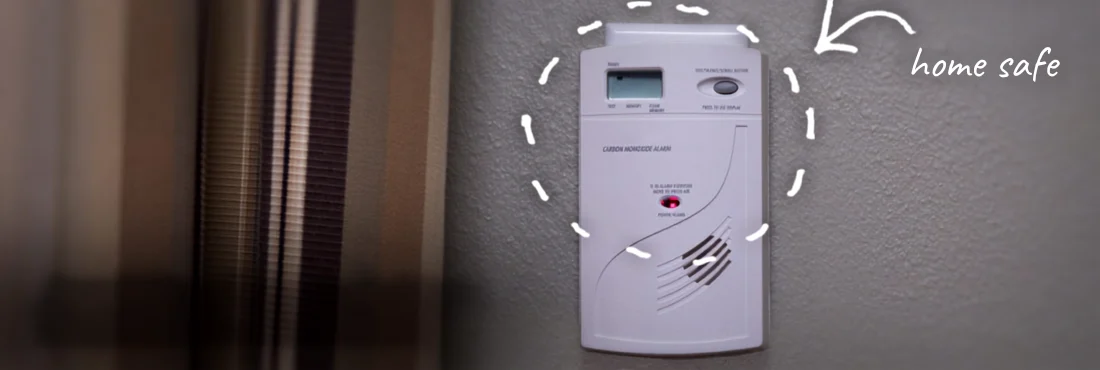
ALL homes need both smoke and carbon monoxide (CO) alarms. CO alarms should be installed on all occupiable levels of your home and near all sleeping areas. If you can only afford one alarm, place it near sleeping areas so it can awaken you if you are sleeping. CO is invisible and odorless, and high levels can incapacitate and kill within minutes. It’s critical for everyone in your home to be able to hear the alarms in order to respond quickly if they sound.
Did you know CO alarms sound different than smoke alarms?
- Smoke alarms alert in a 3-beep pattern, CO alarms alert in a 4-beep pattern. These are standardized alert tones for alarms that meet U.S. safety standards. Some smoke and CO alarms are also “talking” alarms and speak instructions along with sounding alert tones.
Smoke alarm alert tones sound like this:
CO alarm alert tones sound like this:
What do the alarms in your home sound like?
- TEST your alarms at least once a month to make sure the both the alarm and the batteries are in good working order. Including your children in monthly testing of your alarms is a great way for them to become familiar with the alert tones and be reminded of what to do when the alarm sounds.
- READ your alarm’s instruction manual to become familiar with how it functions. CO alarms have alternate beep patterns to signal a dead battery, alarm malfunction, or an expired alarm (CO alarms have a sensor that expires after 7-10 years, at which time the entire alarm must be replaced).
Does everyone in your home know what to do when the alarm sounds?
If you hear your CO alarm alerting in a 4-beep pattern, it is warning of the presence of carbon monoxide:
- Immediately get outside to fresh air and call 911
- DO NOT TRY TO FIND THE SOURCE OF THE CO
- Do not return inside until firefighters tell you it’s safe to do so
Having CO alarms in your home is just the first step in staying safe from carbon monoxide poisoning.
For additional ways to safeguard you and your family at home, visit our CO page.
Do you carry a CO alarm when you travel?
CO alarms can be purchased online and in most home improvement stores. Be sure to only purchase NRTL certified alarms (alarms that meet U.S. safety standards). UL 2034 is the product standard for CO alarms. According to the National Fire Protection Association, “Interconnected CO alarms offer the best protection; when one sounds, they all do. A licensed electrician can install hard-wired interconnected CO alarms, or homeowners can install wireless alarms, plug-in alarms, or battery-operated alarms.”
👉 Medical Report: Comparison of Four Low-Level CO Alarms Suitable for Home Use and When Traveling
👉 Consumer Reports: Best Smoke and CO Alarms
👉 Counterfeit Alarms Are on the Rise. Here’s How to Avoid Dangerous Fakes – UL Standards & Engagement
Real-life stories and resources:
Printable HomeSafe/TravelSafe Flyers
Spanish